Divorce Lawyer Ottawa

Divorce changes your finances, your home, and your time with your children.
You should not have to work that out alone.
LMS has guided Ottawa families through separation and divorce for over 30 years.

About Our Divorce Services

For over 30 years, we have stood beside Ottawa families through separation, divorce and everything that follows.

No two divorces look alike. Some end in a signed agreement. Others end in a courtroom.

We start by listening. Then we tell you plainly what the law says and what your realistic options are.

Our goal is to resolve matters without litigation wherever that serves you.

When agreement is not possible, we are ready to argue your case in court.

Stack

Divorce Matters We Handle

Uncontested Divorce
Uncontested Divorce

Both spouses agree. Paperwork only.

Contested <br> Divorce
Contested
Divorce

Disputes over support, property or children.

Separation Agreements

Drafted, reviewed and negotiated.

Parenting Time & Decision-Making

Both spouses agree. Paperwork only.

Child Support
Child Support

Calculated, negotiated and enforced.

Spousal Support
Spousal Support

Entitlement, amount and duration.

Property Division
Property Division

Equalization of Net Family Property.

The Matrimonial Home

Sale, buyout and possession rights.
Separating or Filing for Divorce?

Talk to an Ottawa Divorce Lawyer.

Meet Our Criminal Lawyers

Diana Aoun - LMS Lawyers

Diana Aoun

Partner
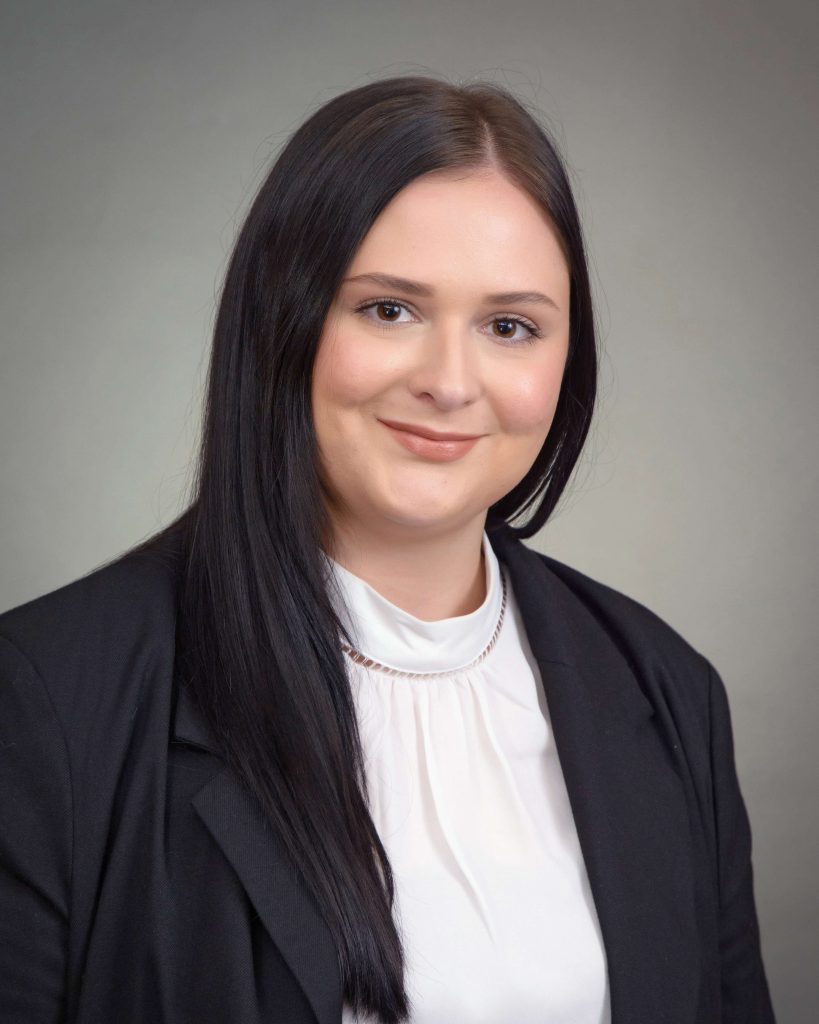
Diana runs a busy family law practice at LMS and has been called to the bar since 2010. She represents clients in divorce, parenting disputes, child and spousal support, and complex property matters. Diana practises in both English and Arabic.
Jessica Bazor- LMS Lawyers

Jessica Bazor

Associate Lawyer
Jessica practises in both the Family Law and Civil Litigation groups at LMS. She earned her J.D. at Queen’s University after an honours degree in Criminology and Criminal Justice at Carleton. She was called to the Ontario bar in 2024.
Sarah Melnyk- LMS Lawyers

Sarah Melnyk

Associate Lawyer

Sarah practises in the Family Law and Civil Litigation groups at LMS. She completed her J.D. at the University of Ottawa and articled with the firm before joining as an associate. She was called to the Ontario bar in 2025.

What Our
Clients Say

What Our Clients Say

Intro

Why Choose LMS Lawyers?

Divorce is a legal process wrapped around a personal one. We treat both seriously.

You get a lawyer who returns your calls, explains each step, and tells you when a fight is not worth having.

Ready to Take the Next Step?

Whether you have just separated or already been served, the sooner you get advice, the more options you have. Contact LMS Lawyers to speak with an Ottawa divorce lawyer.

Frequently Asked Questions

How much does a divorce lawyer cost in Ottawa?

Cost depends almost entirely on how much the two of you disagree. An uncontested divorce, where everything is already settled, costs a fraction of a contested case involving support, property or parenting disputes. We give you a written fee estimate after your first meeting.

Ontario charges a fee to file your divorce application and a further fee to schedule it for a hearing. A small federal registry fee also applies. Current amounts are published by the Ministry of the Attorney General, and fee waivers are available if you cannot afford them.
Not if you and your spouse can agree. When the terms are settled in a separation agreement, the divorce itself is granted on paperwork alone. Court becomes necessary only when parenting, support or property remain in dispute.

An uncontested divorce means nothing is in dispute — a judge reviews the file and grants the order without either spouse appearing. A contested divorce means the court must decide one or more issues first. Most cases that start contested end in settlement.

Yes. Support and parenting orders can be changed when there has been a material change in circumstances, such as a new job, a move, or a change in the children’s needs. You do not legally need a lawyer to bring a motion to change, but the test is technical and worth getting right.
Ontario divides the growth in value during the marriage, not the property itself. Each spouse calculates their Net Family Property: assets at separation, minus assets brought into the marriage, minus debts. The spouse with the higher figure pays the other half of the difference as an equalization payment.

The matrimonial home is treated differently from every other asset. Both married spouses have an equal right to stay in it until the matter is resolved, regardless of whose name is on title. It is then sold, or one spouse buys out the other.

No, and the gap is significant. Common-law partners do not divorce and Ontario’s equalization rules do not apply to them. If your partner holds the house solely in their name, you have no automatic claim to half its value — though other claims may be available.

It is a binding contract setting out property division, support and parenting arrangements between separating spouses, married or common-law. It is the single most useful document in a separation. Getting it right the first time avoids years of conflict.

The law does not require one. But once property, support or children are involved, mistakes become expensive and difficult to undo. Most people benefit from advice even if they handle the paperwork themselves.

An uncontested divorce is usually finalized within a few months of filing. Contested cases take considerably longer. The divorce order takes effect 31 days after it is granted.

Write down your date of separation, then gather your financial documents — income, property, debts, pensions. Get legal advice before you sign anything or move out.

In mediation, a neutral third party helps you and your spouse reach your own agreement. In court, a judge imposes a decision on you. Mediation is faster, cheaper and private, but it only works when both sides participate honestly.

A pension is family property and its value accrued during the marriage forms part of equalization. Ontario has a formal valuation process for this. Depending on the plan, a portion of the value can be transferred directly to the other spouse.
Financial disclosure is not optional in Ontario family law. A court can order production, impute income where disclosure is missing, strike a party’s court documents, and award costs against them.
You can file at any time, but a divorce based on separation is only granted once you have lived separate and apart for one year. Adultery and cruelty are the other two grounds and do not require the wait.

It is an early meeting with a judge to narrow the issues, order disclosure and explore settlement. It is not a trial and no final decision is made on the merits. Most Ontario family cases must go through one before a motion can be heard.

Do not ignore it. You have a limited window to file an Answer, and missing it can mean the court proceeds without your side of the story. Get advice immediately.

Collaborative divorce is a settlement process where both spouses and their lawyers commit in writing to resolving matters without going to court. It is available in Ottawa. If it breaks down, both lawyers must withdraw.

Entitlement comes first — not every spouse is entitled to support. Where entitlement exists, the Spousal Support Advisory Guidelines set a range for amount and duration based on incomes, length of relationship and parenting roles.

Book an Appointment

Tell us what you are dealing with.
A member of our family law team will follow up to arrange a time.

The information on this page is general and for educational purposes only. It is not legal advice and does not create a lawyer-client relationship. Every situation is different — speak with a lawyer about your circumstances.